
Introduction
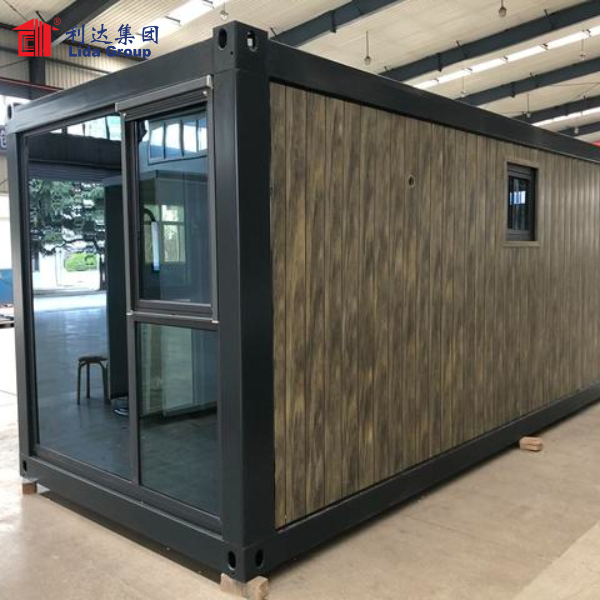
In recent years, container houses have gained popularity as a versatile and cost-effective housing solution. With options like 20FT and 40FT containers, prospective homeowners face a crucial decision. This article will delve into the differences, advantages, and considerations of each size, helping you determine which container house is the best fit for your needs.
Understanding Container Houses
Definition and Concept
Container houses are structures made from repurposed shipping containers. These containers are constructed from durable steel and designed to withstand harsh conditions at sea, making them an excellent foundation for innovative housing solutions.
Benefits of Container Houses
- Affordability: Generally less expensive than traditional homes.
- Sustainability: Utilizes recycled materials, contributing to eco-friendly building practices.
- Durability: Built to endure extreme weather conditions.
- Mobility: Can be relocated if necessary.
- Customization: Easily modified to suit individual preferences and needs.
20FT Container Houses
Specifications
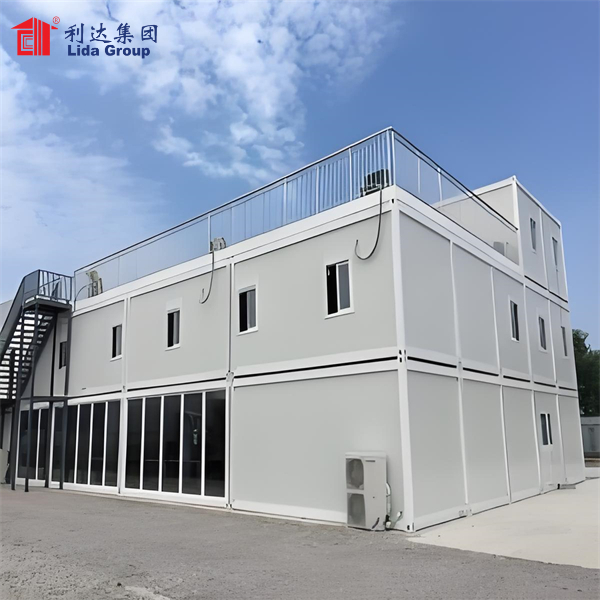
A 20FT container typically measures 20 feet in length, 8 feet in width, and 8.5 feet in height. This size provides around 160 square feet of usable space.
Advantages
- Cost-Effective: Generally cheaper than 40FT containers, making them ideal for budget-conscious buyers.
- Easier to Transport: A lighter weight and smaller size facilitate easier transportation and maneuverability.
- Ideal for Limited Spaces: Perfect for small plots of land or urban environments where space is at a premium.
- Quick Setup: Less time required for installation and modifications.
Ideal Uses
- Single-person homes: Great for individuals or minimalists.
- Vacation cabins: Perfect for weekend getaways in nature.
- Home offices: Can be transformed into functional workspaces.
- Emergency shelters: Quick deployment in disaster-stricken areas.
Considerations
- Limited Space: May feel cramped for families or those needing more room.
- Resale Value: Smaller containers may have lower resale value compared to larger units.
40FT Container Houses
Specifications
A 40FT container measures 40 feet in length, 8 feet in width, and 8.5 feet in height, offering approximately 320 square feet of interior space.
Advantages
- More Space: Offers ample room for families or those needing more living space.
- Versatile Layouts: Allows for more creative interior designs and layouts.
- Higher Resale Value: Generally retains a better resale value due to size and utility.
Ideal Uses
- Family homes: Suitable for families needing more bedrooms and living areas.
- Multi-purpose spaces: Can function as homes and workspaces simultaneously.
- Community housing: Ideal for group living arrangements or shared housing initiatives.
- Long-term living: Offers more comfort and amenities for those planning to reside for an extended period.
Considerations
- Higher Costs: More expensive upfront investment compared to 20FT containers.
- Transportation Challenges: Heavier and may require specialized transport options.
- Space Requirements: Requires a larger plot of land for placement.
Comparing 20FT and 40FT Container Houses
Cost Analysis
- Initial Costs: 20FT containers are typically more affordable. However, 40FT containers may offer better value for larger families.
- Long-term Investment: Consider the potential resale value and utility over time.
Space and Layout
- 20FT Containers: Best for minimalistic living or temporary setups.
- 40FT Containers: Ideal for families or those desiring more space and flexibility.
Customization Options
Both sizes can be customized, but the larger space in a 40FT container allows for more creative layouts, such as multiple rooms or open-concept designs.
Environmental Impact
Both options are sustainable due to their use of recycled materials. However, larger containers may consume more resources in terms of materials for modifications.
Making the Decision
Assess Your Needs
- Family Size: Consider how many people will be living in the container house.
- Budget: Determine your budget and whether you can afford the larger container.
- Intended Use: Decide if the container will be a primary residence, vacation home, or temporary shelter.
Evaluate Your Space
- Land Size: Ensure you have enough land for the chosen container size.
- Local Regulations: Check zoning laws and regulations regarding container homes in your area.
Future Plans
Consider your long-term plans. If you anticipate needing more space, investing in a 40FT container now might save you the hassle of upgrading later.
Conclusion
Choosing between a 20FT and a 40FT container house ultimately depends on individual needs, preferences, and circumstances. Both options offer unique advantages and can be tailored to suit various lifestyles. By evaluating your budget, space requirements, and future plans, you can make an informed decision that best fits your living situation. Container houses represent a modern and sustainable approach to housing, providing flexibility and innovation in today’s ever-changing world.
Contact Us
Post time: Aug-26-2024