
Introduction
In recent years, the demand for affordable and efficient housing solutions has prompted significant innovations in construction techniques. Prefabricated homes and flat-pack container houses have gained traction worldwide, particularly in China, where rapid urbanization and population growth necessitate flexible and sustainable living options. This article explores the concept of prefabricated homes, specifically focusing on flat-pack container houses and prefab container office houses, examining their design, benefits, applications, and the future of this growing market.
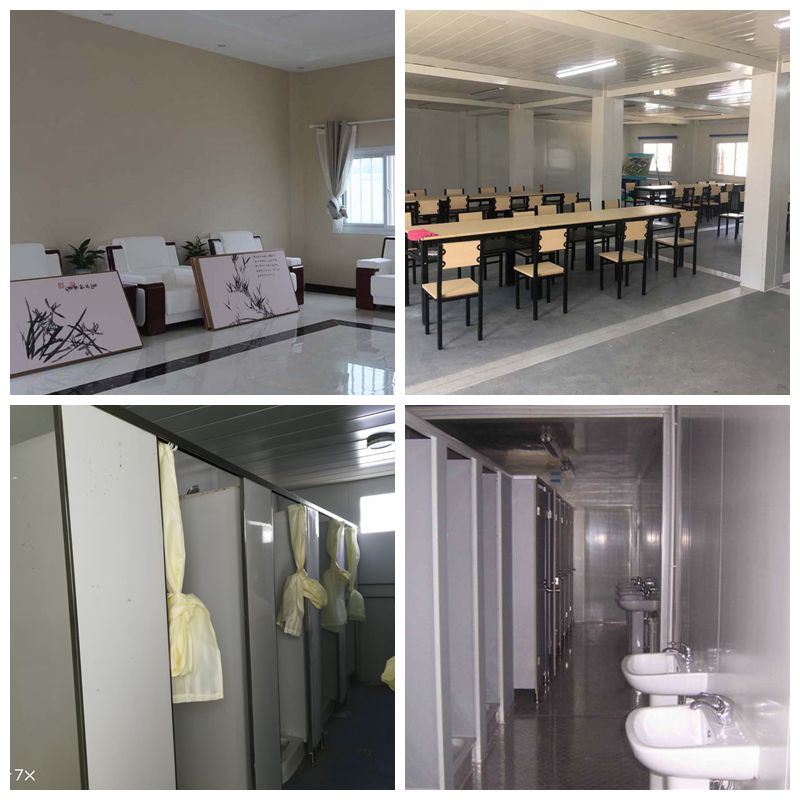
Understanding Prefabricated Homes
What Are Prefabricated Homes?
Prefabricated homes are structures built using pre-manufactured components that are assembled on-site. This approach contrasts with traditional construction, which typically involves building a home from the ground up. Prefabricated homes can be made from various materials, including wood, steel, and shipping containers, and are designed for quick assembly and cost-effectiveness.
The Rise of Container Houses
Container houses utilize repurposed shipping containers as the primary building material. This innovative use of containers not only addresses housing shortages but also promotes sustainability by recycling materials. The growing popularity of container houses in China reflects a shift towards more efficient and eco-friendly construction practices.
Flat Pack Container Houses
Features of Flat Pack Container Houses
Flat pack container houses are designed for easy transportation and assembly. These homes are delivered in a compact form, allowing for simplified logistics and reduced shipping costs. Key features include:
- Modular Design: Each unit can be combined with others to create larger living spaces.
- Quick Assembly: The flat-pack design allows for rapid on-site assembly, often completed within days.
- Customizable Interiors: Homeowners can choose layouts, finishes, and fixtures to reflect their personal style.
Advantages of Flat Pack Container Houses
- Cost-Effectiveness: By minimizing labor and material costs, flat pack container houses provide an affordable housing solution.
- Sustainability: Utilizing recycled shipping containers significantly reduces environmental impact.
- Energy Efficiency: Many designs incorporate energy-efficient features, such as insulation and solar panels, lowering utility costs.
- Mobility: These homes can be easily relocated, making them ideal for temporary housing or changing circumstances.
Design Considerations
When designing flat pack container houses, several factors are taken into account:
- Space Optimization: Efficient use of space ensures that even smaller units feel spacious and functional.
- Natural Lighting: Large windows and open layouts enhance the aesthetic appeal and livability.
- Durability: Container structures are built to withstand harsh weather conditions, offering long-term stability.
Prefab Container Office Houses
The Concept of Prefab Container Offices
Prefab container office houses are modular office spaces constructed from shipping containers. These offices cater to businesses seeking flexible, cost-effective, and sustainable work environments. They can be designed for various functions, from temporary project sites to permanent office buildings.
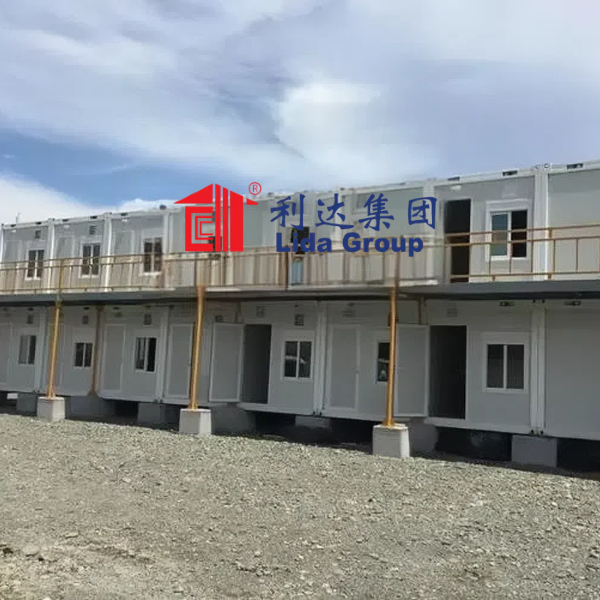
Benefits of Prefab Container Offices
- Rapid Deployment: Similar to residential container houses, prefab offices can be assembled quickly, allowing businesses to establish operations without lengthy construction delays.
- Cost Savings: The lower costs associated with prefab offices make them an attractive option for startups and organizations looking to minimize overhead.
- Customizable Designs: Businesses can tailor office layouts to meet specific needs, including meeting rooms, workstations, and break areas.
- Sustainability: By repurposing containers, companies contribute to environmental sustainability and reduce waste.
Applications of Prefab Container Offices
Prefab container offices are versatile and can be used in various settings:
- Construction Sites: Providing temporary offices for project managers and workers.
- Remote Locations: Serving as mobile offices in areas lacking infrastructure.
- Event Spaces: Offering flexible office solutions for events and exhibitions.
- Educational Institutions: Providing additional classroom or administrative space.
The Manufacturing Process
Production of Flat Pack Container Houses
The manufacturing process for flat pack container houses involves several key steps:
- Container Selection: High-quality shipping containers are sourced for structural integrity and durability.
- Design and Engineering: Architects and engineers collaborate to create functional and aesthetically pleasing designs.
- Interior Construction: The interiors are fitted with insulation, plumbing, electrical systems, and finishes.
- Flat Packing: Once completed, the units are flattened and packed for shipping, optimizing space and reducing transportation costs.
- On-Site Assembly: The units are transported to the site and assembled quickly, with minimal disruption.
Quality Control and Certification
Quality control is critical in the production of prefabricated homes and offices. Manufacturers adhere to strict standards and regulations to ensure safety and durability. Certifications, such as ISO and CE, are essential for building credibility and assuring clients of the quality of their structures.
Sustainability and Environmental Impact
Eco-Friendly Construction Practices
Sustainability is a core principle in the construction of flat pack container houses and prefab offices. Key practices include:
- Recycling Materials: Utilizing shipping containers reduces the demand for new building materials and minimizes waste.
- Energy Efficiency: Designing energy-efficient homes and offices helps reduce the carbon footprint and lowers energy consumption.
- Water Conservation: Implementing rainwater harvesting and greywater recycling systems promotes responsible water use.
Long-Term Benefits
Investing in sustainable construction practices not only benefits the environment but also provides long-term savings for homeowners and businesses. Reduced energy costs and minimal maintenance requirements translate into financial advantages over time.
Challenges and Considerations
Regulatory Hurdles
While prefabricated container homes and offices offer numerous benefits, navigating local zoning laws and building codes can pose challenges. It is essential for manufacturers and clients to understand regulations to ensure compliance.
Public Perception
Container homes and offices may face stigma due to preconceived notions about their appearance and functionality. Educating the public about the benefits and versatility of these structures is crucial for acceptance and growth in the market.
Market Competition
As the popularity of prefabricated structures increases, competition among manufacturers intensifies. Companies must differentiate themselves through quality, innovation, and customer service to thrive in this evolving landscape.
Future Trends
Increasing Demand for Affordable Housing
The ongoing housing crisis in many parts of the world is driving demand for affordable housing solutions. Prefabricated container houses are well-positioned to meet this need, offering a cost-effective alternative to traditional homes.
Technological Advancements
Advancements in construction technology, such as 3D printing and smart home integration, will continue to shape the future of prefabricated homes and offices. These innovations will enhance customization options and improve energy efficiency.
Sustainable Practices
As awareness of environmental issues grows, the construction industry will increasingly adopt sustainable practices. Prefabricated container houses and offices align with this trend, providing eco-friendly solutions for modern living and working.
Conclusion
China’s prefabricated homes, particularly flat pack container houses and prefab container office houses, represent a significant shift in construction practices. These innovative structures offer cost-effective, flexible, and sustainable solutions for housing and workspace needs. With ISO and CE certifications ensuring quality and safety, Lida Group and other manufacturers are paving the way for a more efficient and environmentally friendly future in construction.
As the demand for affordable housing and adaptable workspaces continues to rise, prefabricated container solutions are poised to play a crucial role in addressing these challenges. By embracing this modern approach to construction, we can create sustainable communities that meet the needs of a growing population while minimizing our environmental impact.
Contact Us
Post time: Aug-28-2024